
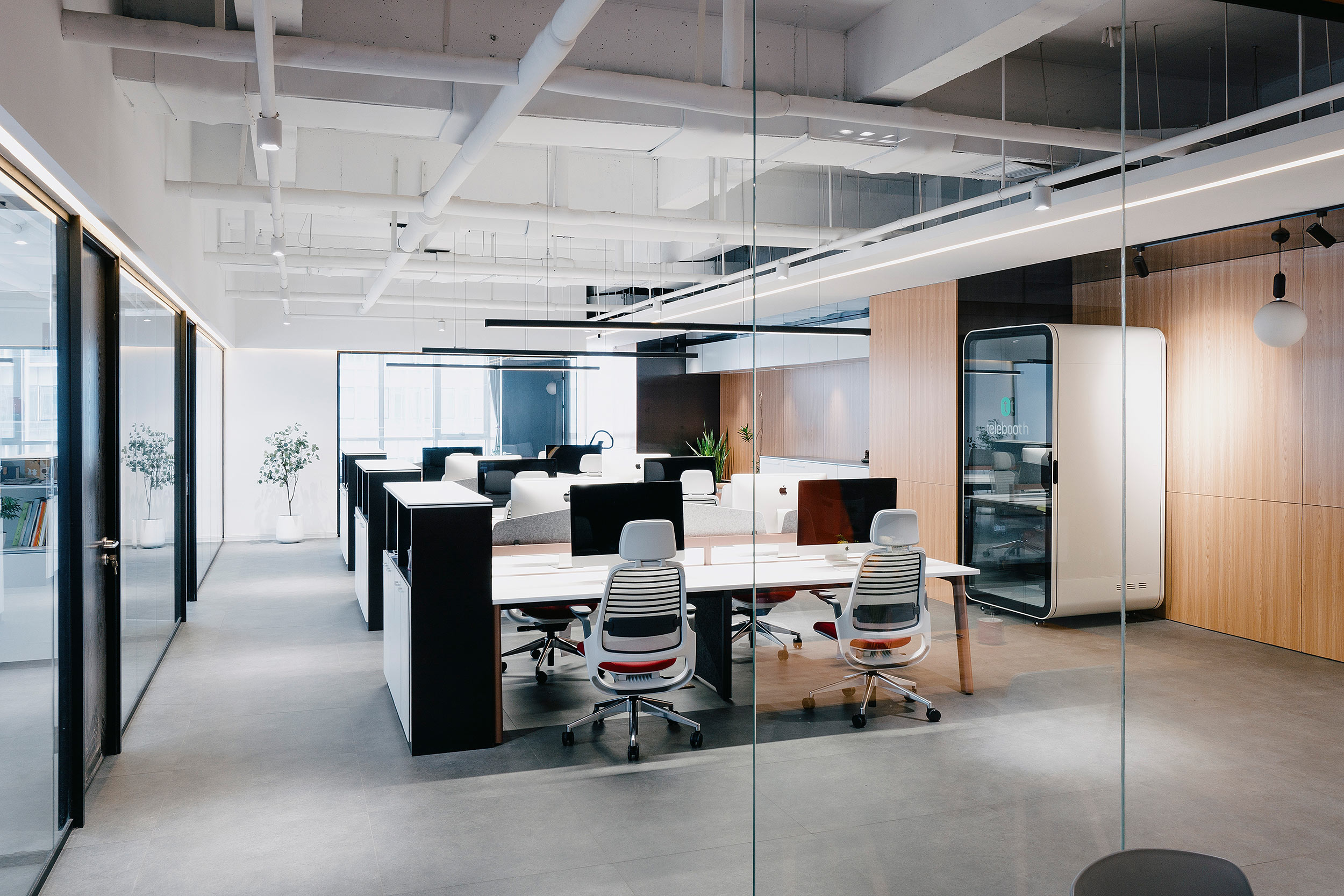
THE BEGINNING OF PRIVACY
FUN FACTS
Telephone is invented in 1876. Five years later, the world’s first telephone boxes appeared on the busy streets of Zurich and Berlin, railway stations, post offices, stock exchanges for commuters to make private phone call to homes and work places.
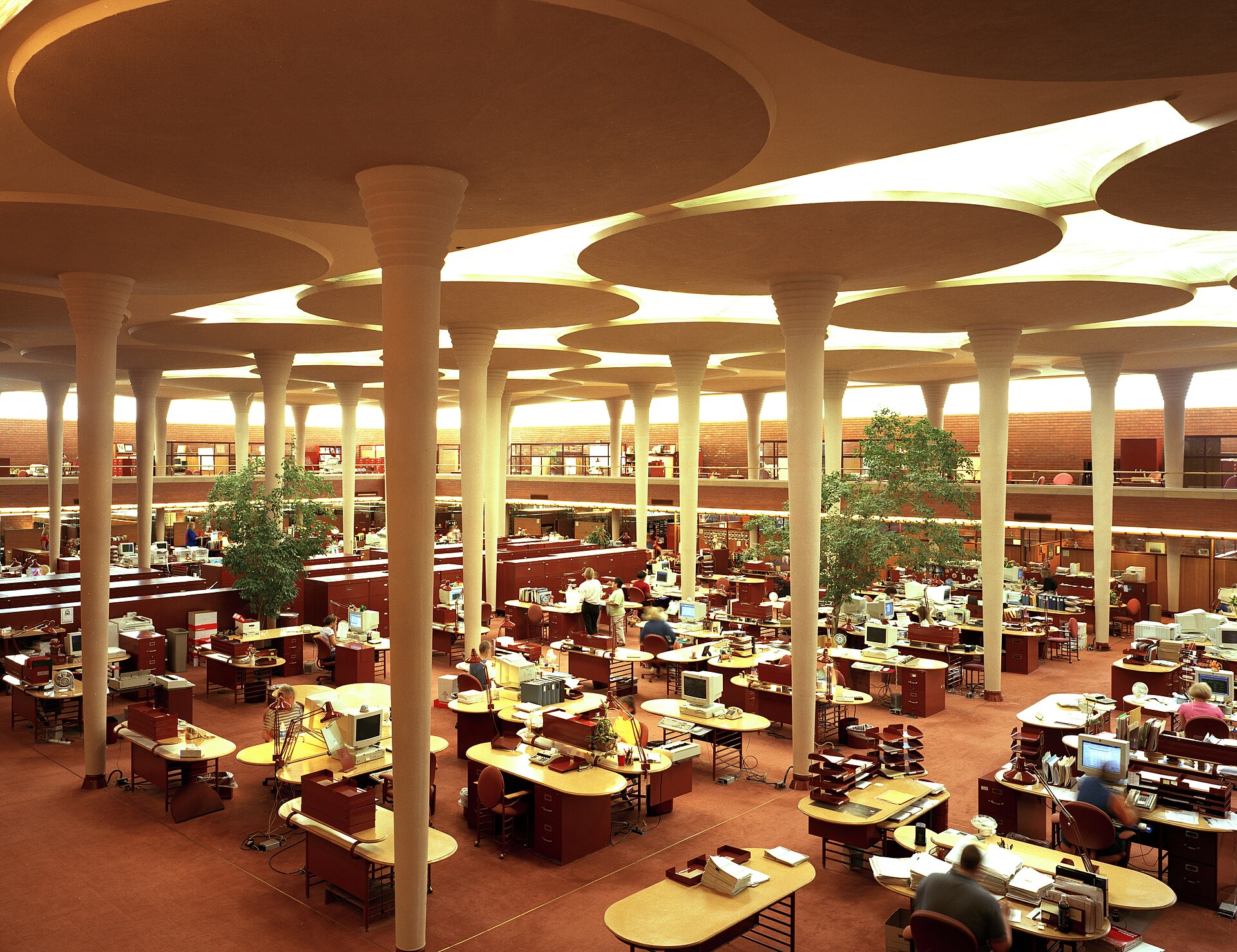
1939, architect Frank Lloyd Wright, created the first modern office building – the Administration Building for Johnson Wax Headquarters in Racine, Wiscosin, introduced the first open-plan office — no partitions, no private rooms for ordinary workers, just a single luminous workroom beneath a forest of lily-pad columns and a ceiling of diffused light. Hierarchy dissolved into shared space. Wright’s great workroom was radical, democratic, and beautiful. It was also the beginning of a paradox that would define office design for the next eighty years: the more open the office, the more urgently people would need somewhere private to speak.
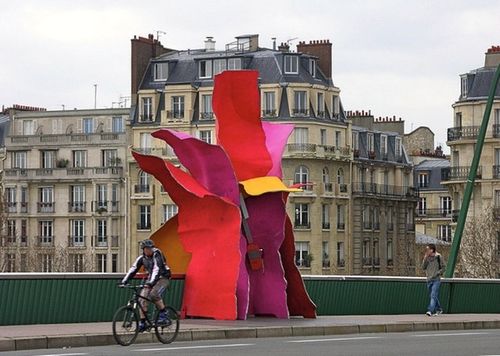
2006, Frank Gehry collaborated with French artist Sophie Calle , and transformed the public phone booth into ART with “Le Téléphone”,at the Tramway des Maréchaux in Paris.
1973 invention of handphone.
1991 availability of WiFi.
2015, Facebook Menlo Park campus (MPK20) was built on Mark Z and Frank Gehry vision of unpretentious, ad-hoc, informal, work-in-process work-environment. Frank Gehry — a man who had once famously built his own office furniture out of cardboard, and soundproofed a room with plywood. The collaboration between a $225 billion corporation and an 86-year-old architect who had no interest in pretence produced one of the most influential office buildings of the twenty-first century.
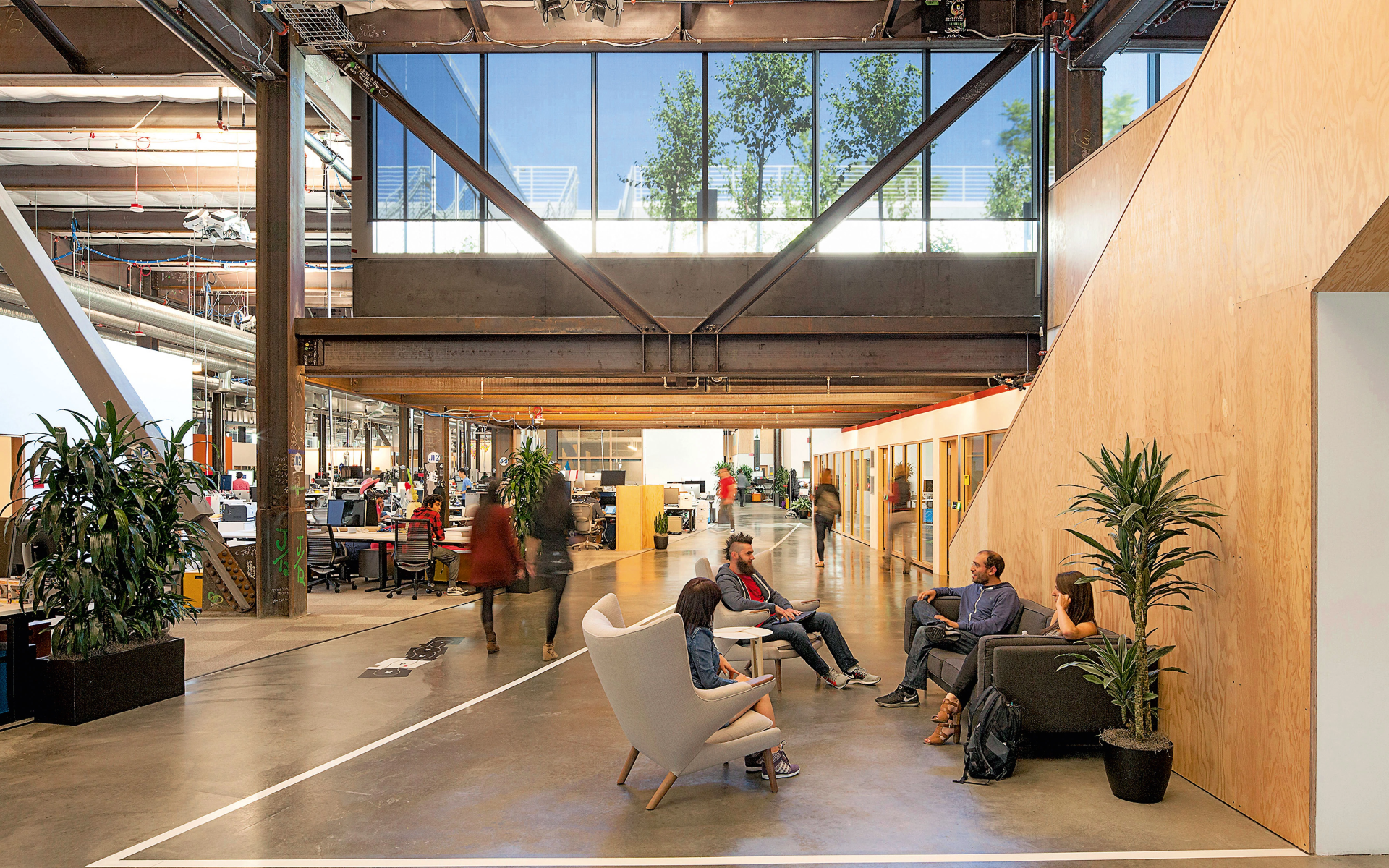
Gehry’s genius was understanding that radical openness required a complement: a place to retreat. It was Gehry who popularised the pod — the small glass-walled room-within-a-room that gave the open office back its capacity for private thought and confidential conversation. Facebook MPK20 set the benchmark for office design globally, and catalysed a new category of furniture: the acoustic office pod.
Herman Miller redesigned its furniture range to serve this typology. Okamura in Japan — which had built a postwar design culture on American influence before surpassing it with uncompromising attention to detail (as with the Contessa chair, designed by Italian automobile designer Giorgetto Giugiaro) — developed its own pod solutions. And in China, a new generation of manufacturers began applying precision engineering to the challenge.
INTRODUCING TELEBOOTH
The Juggernaut of Oriental Office Pods
Established in 2010, Telebooth (Jinan Intelligent Technology Co., Ltd.) represents the most precisely engineered acoustic pod to emerge from China’s furniture industry. Its founder, Hou Qin-Hua, spent two decades as the China partner of Deko — a Danish office partitions and doors company established in 1970. Installing floor-to-ceiling partition systems for Chinese government projects, engineering local material solutions, and solving real on-site problems gave Hou an understanding of acoustic performance that few pod manufacturers can match.
The catalyst was simple: corporate clients began requesting mobile office pods. Hou saw that the technology and precision required were exactly what he had spent twenty years building. Telebooth was born.
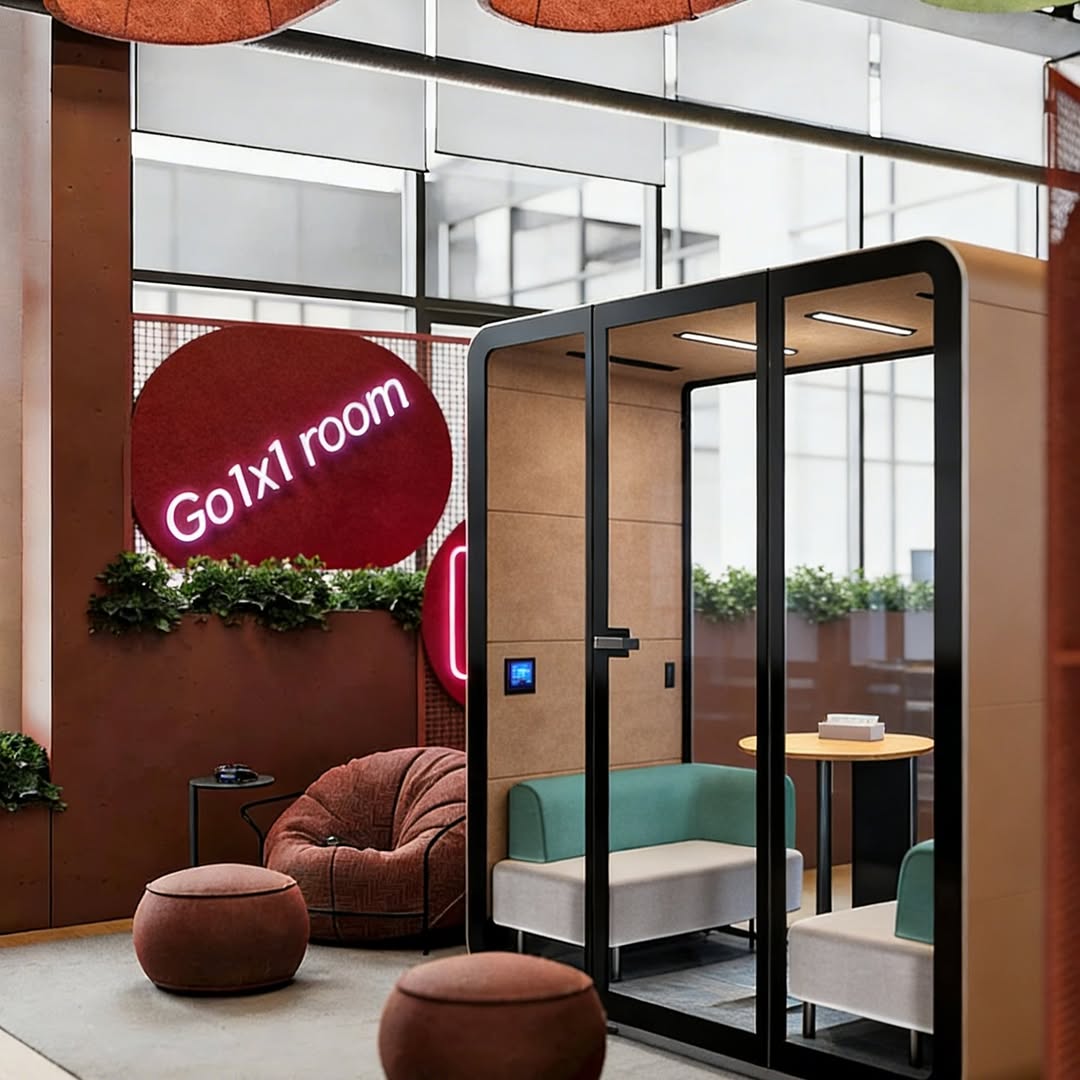
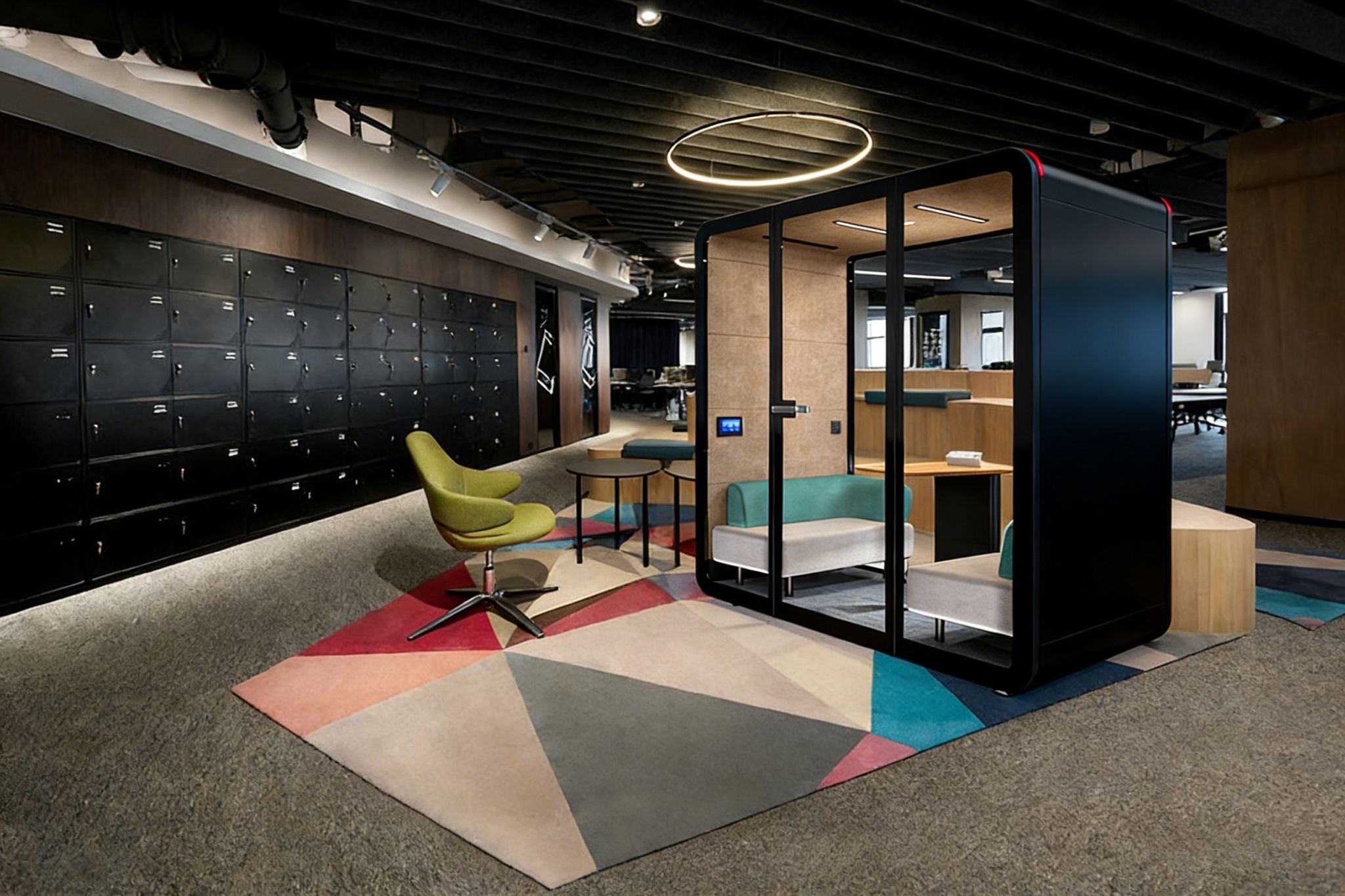
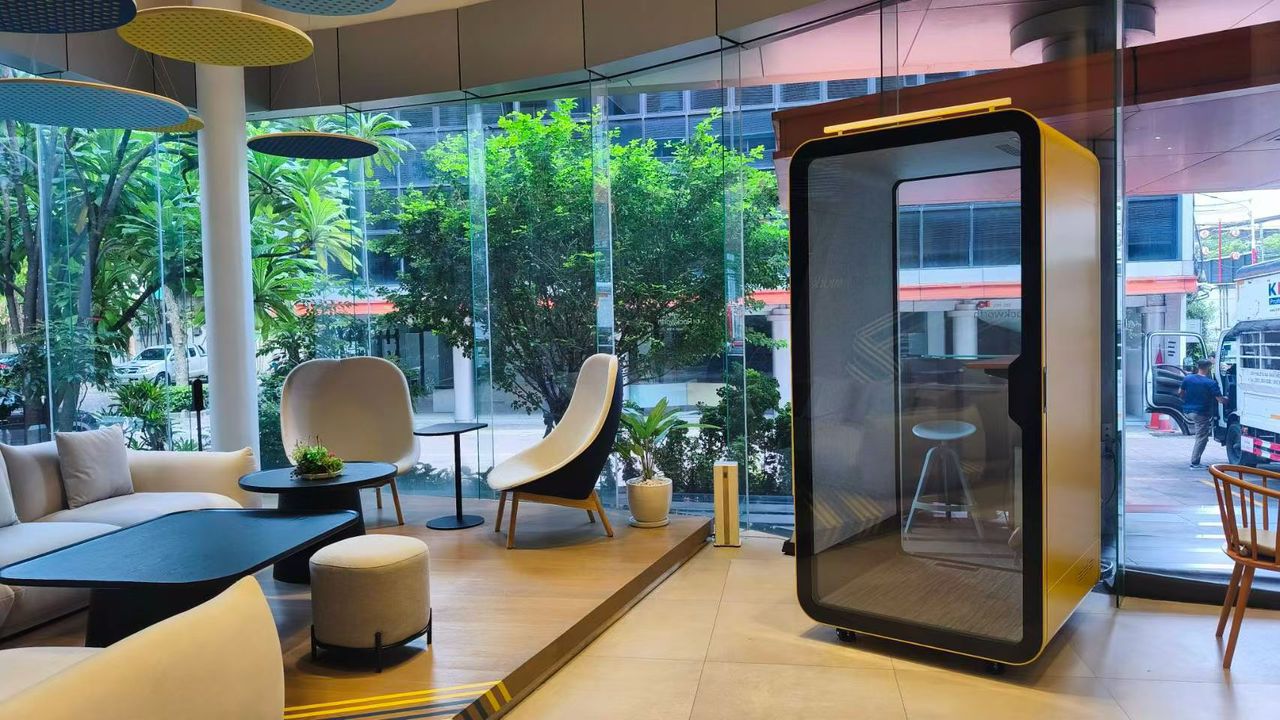
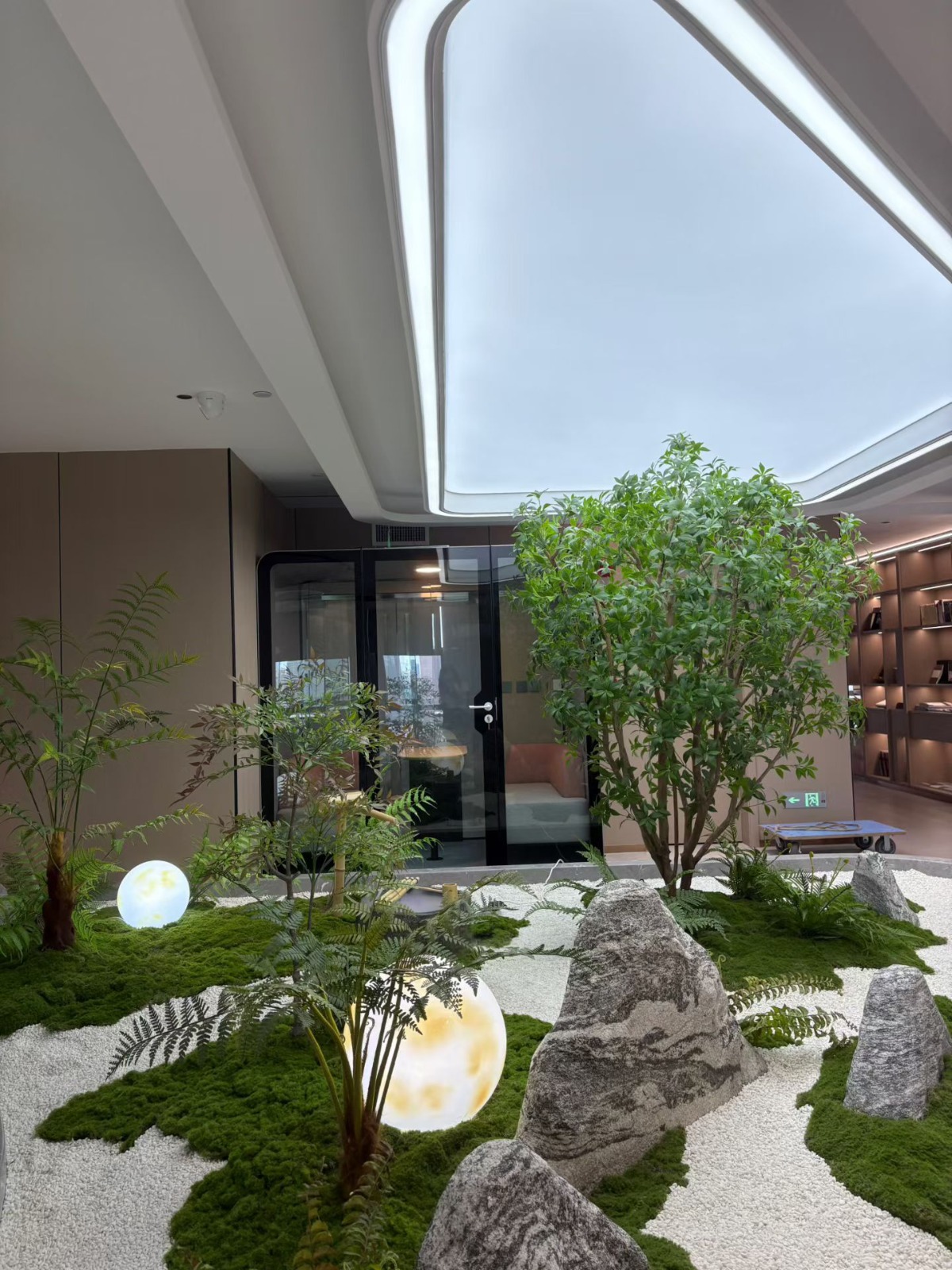
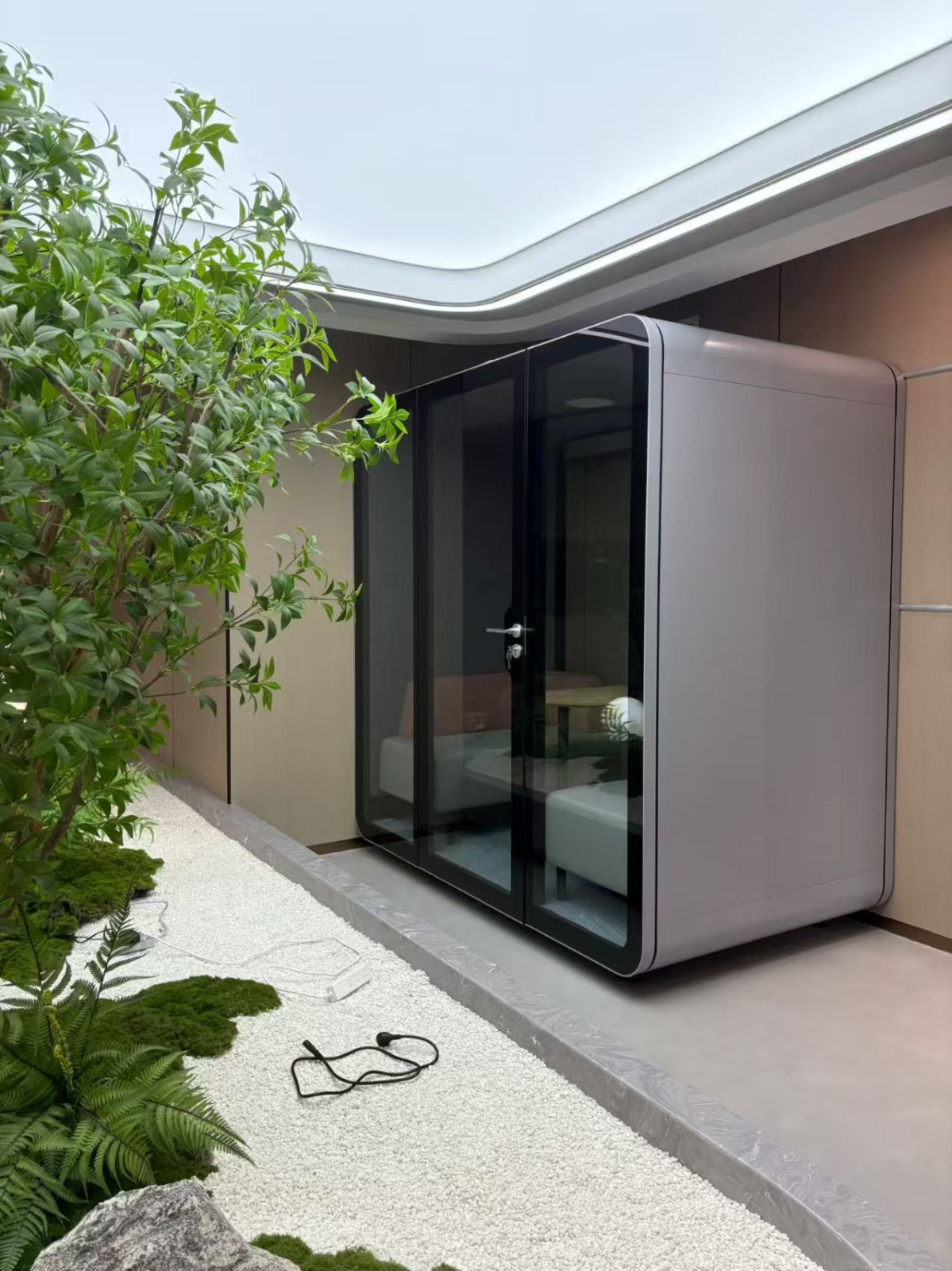
Inspired by the iPhone and iPad, Telebooth’s single pod is designed to feel like a giant iPhone — a meeting pod, a giant iPad. Curved edges, requiring higher-precision CNC machinery than straight alternatives, are not a compromise. They are the point. The harder choice, made deliberately.
Telebooth is based in Jinan — known as “The City of Spring” for its natural beauty and cultural heritage. Its geographic proximity to the rest of Asia enables fast delivery, same time zone responsiveness, and immediate on-site follow-up wherever needed.
THE ENGINEERING BEHIND TELEBOOTH
A Family’s Aerospace Precision
Telebooth is a family business. Hou Qin-Hua’s nephew, Young Yang-Yang, holds a Master’s in Electro-Mechanical Engineering. Before joining Telebooth, he served as Project Manager at Shanghai Aerospace Technology Co., Ltd. (under the Geely Group), responsible for the development of vehicle-mounted satellite communication and intelligent control systems, and contributing to the strategic layout for commercial aerospace. He now leads Telebooth’s Product Development Department, overseeing the entire development process, designing intelligent circuit control systems, and ensuring comprehensive quality control.
The result is a pod built to aerospace-grade standards of reliability — in a product category where the competitors are often furniture manufacturers who have added glass.
What Makes Telebooth Different
- Acoustic Performance
31 dB office acoustic. Double-glazed soundproof glass, flame-retardant high-density Burgeree sound-absorbing panels, and Milliken carpet tile flooring work in concert. The result is genuine quiet — not merely visual separation. - AI-Enabled Lighting
Motion sensor LED lighting activates the moment you enter. It powers down when you leave. No switches, no waste. - Ventilation — The Hard Problem, Solved
The most common complaint about acoustic pods is stuffiness. Telebooth’s ventilation is specifically engineered to address this — sustained fresh airflow without acoustic compromise. - AkzoNobel Interpon Exterior Casing
The outer shell uses AkzoNobel’s Interpon powder coating — durable, scratch-resistant, professionally finished. - Mobility by Design
Every pod is equipped with castors. Reconfigure your office without a removal team. Engage the locking mechanism for permanent placement — or, in industrial environments, use the specialised stopper rated for heavy-duty impact. When your company moves office, the pods move with you. - Furniture Customisable
Connectivity options customisable – applications office pod, hospital pod, airport pod, hot desking public pod for rent, office meeting pod. Location and almost same time zone, allow quick trouble-shooting.
Certifications: ISO 9001 · ISO 14001 · ISO 45001 · Greenguard
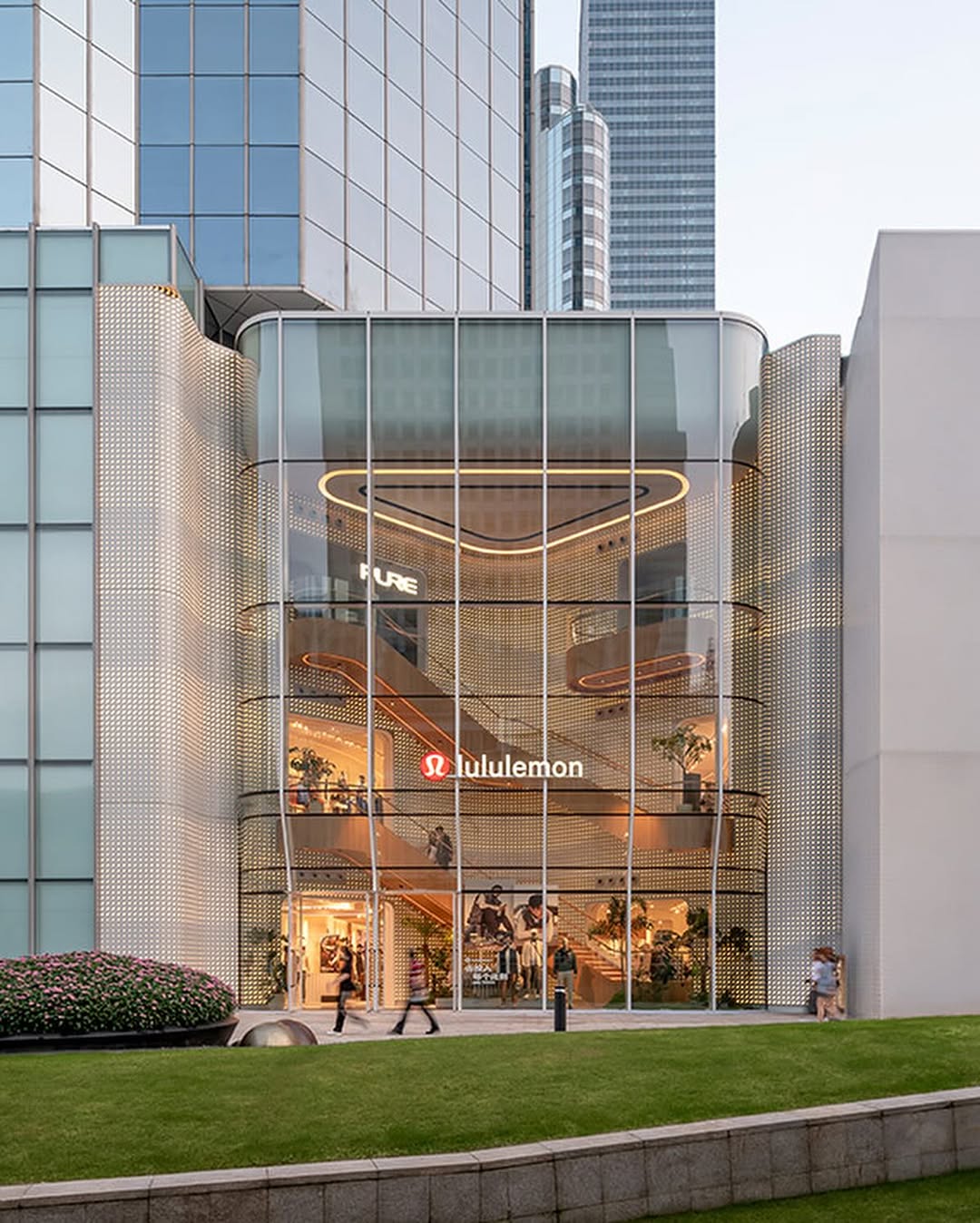
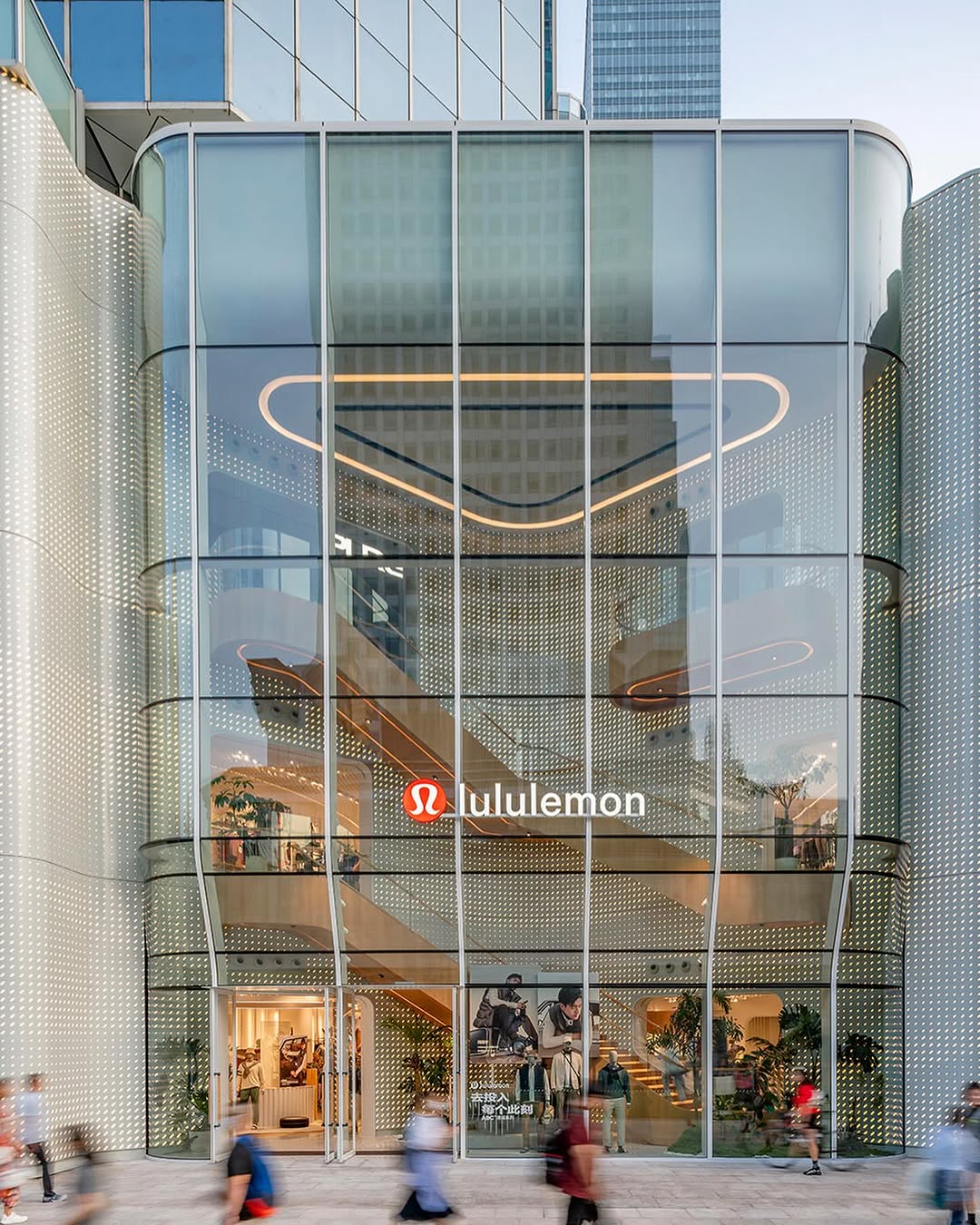
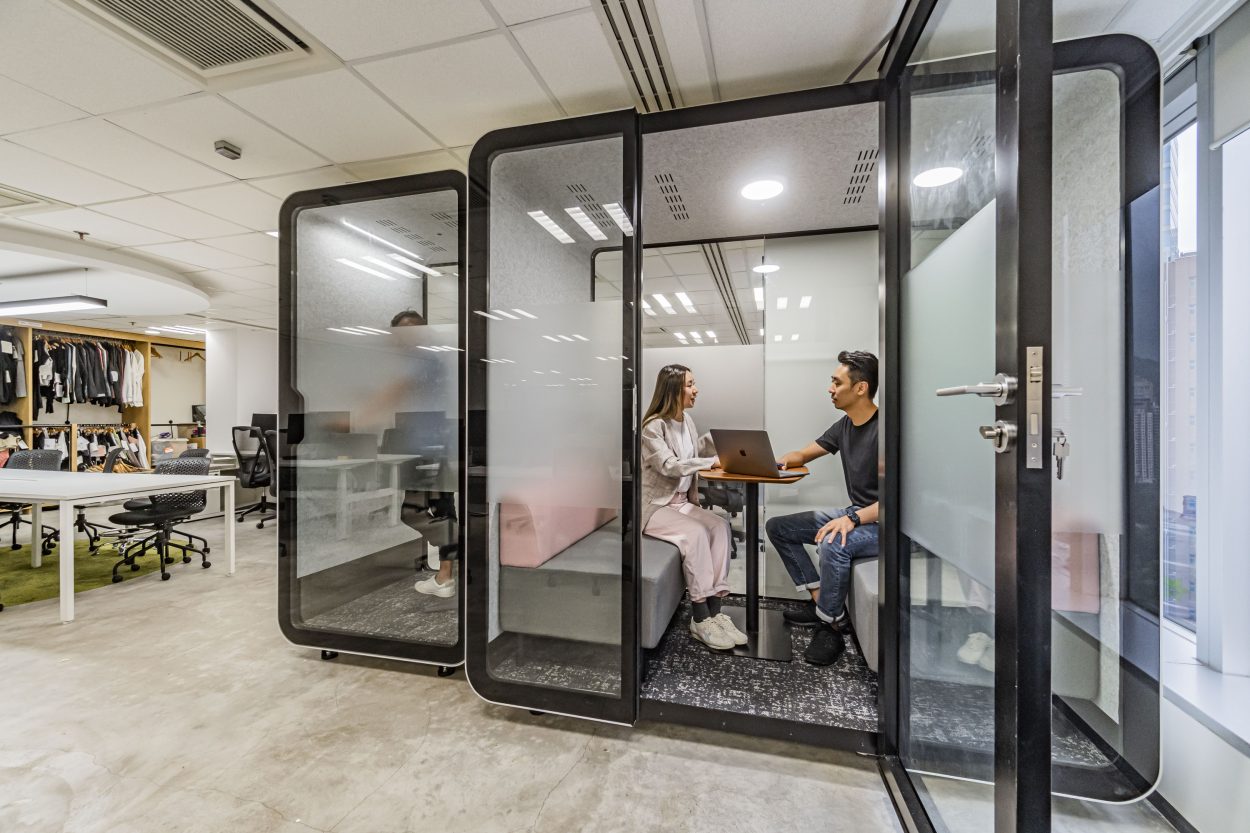
Lululemon works with Telebooth for its office Pod solution.
Trusted by Major Companies
3M
AIR FRANCE
Allianz
Armani
Blackstone
Budweiser
CCTV
CHANGI
China Overseas Property
DBS
ESTÉE LAUDER
Ford
L’ORÉAL
Lululemon
Mercedes-Benz
MICHELIN
P&G
PHILIPS
SANY
SHANGHAI DISNEY RESORT
SIEMENS
UBS
Volkswagen
ENQUIRE ABOUT TELEBOOTH IN MALAYSIA
Bring Telebooth to Your Space
For Telebooth enquiries, please contact us at +6012-6988570 or email to living@xtrafurniture.com
XTRA showroom is open 7 days a week, from 10:30am to 7:30pm, for you to view and experience the Telebooth in person.